

Fall is here, and with a new season comes a great opportunity to review your measuring instruments, systems, and methods. Here are a few tips to help you get ready for this fall’s measurements.
Can you trust your measurement results?
A reliable measurement result requires more than just a precise instrument.
Even a good measuring instrument can be affected over time. Aging, use, and external factors such as temperature, humidity, and shocks can alter the instrument’s measurement performance. A misplaced sensor or changes in the measurement environment can also lead to inaccurate results.
That’s why it’s wise to start with the basics: Are your instruments and measurement systems working as they should?
A few things to check:
- Are your measuring instruments properly calibrated?
- Are there any instruments that need servicing or inspection?
- Are the sensors and transducers functioning as they should?
- Are the transducers in the right place, and are they measuring what you actually want to measure?
- Does the right information reach the right person when something deviates?
For those who work with continuous monitoring or documented measurement values, it’s important to look beyond just the instrument itself. The entire chain—from measurement and data collection to follow-up—needs to be reliable.
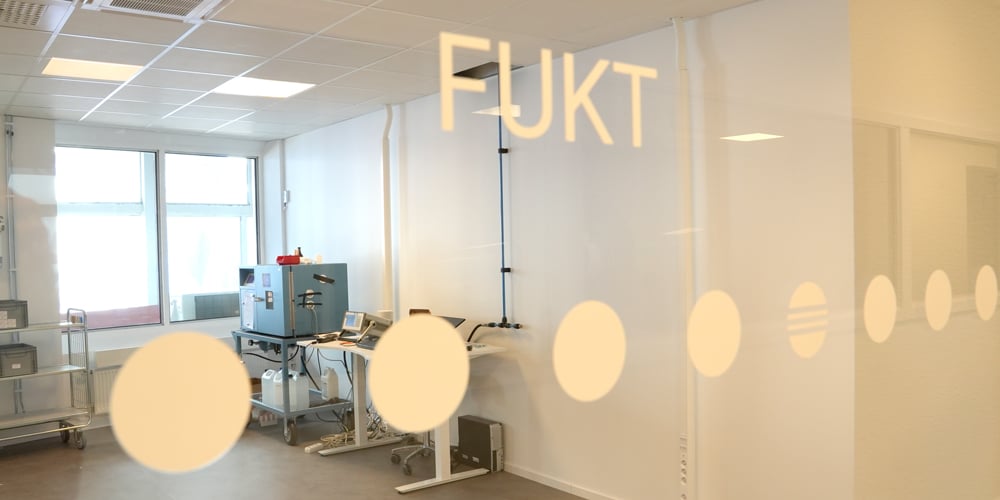
New Facilities for Calibration and Service
With our move to our new facilities, we now have even better conditions for calibrating, servicing, and inspecting measuring instruments. With larger facilities, we can hire more staff, expand our lab’s capacity, and shorten lead times for our customers.
We are continuously developing our calibration laboratory with the goal of offering calibration for more measurement quantities in the future. For measurement parameters that we do not calibrate ourselves, we partner with Testo Industrial Services (TIS), which gives our customers access to calibration for approximately 50 different measurement parameters.
Detect Moisture Early
Moisture is not always visible to the naked eye. By the time signs appear, the problem may already have developed. It is therefore important to detect even small changes in a structure or building environment in time.
Crawl spaces and attics are examples of environments where it can be particularly important to monitor moisture levels. With the right measurements, you’ll gain a better understanding of the building’s moisture conditions and be able to track how moisture levels change over time.
Read about when and how to take action: Important Moisture Measurements in Crawl Spaces and Attics
Do you have the right knowledge for the measurement?
Having the right instruments is one thing. Knowing what to measure, where to measure, and how to interpret the results is just as important.
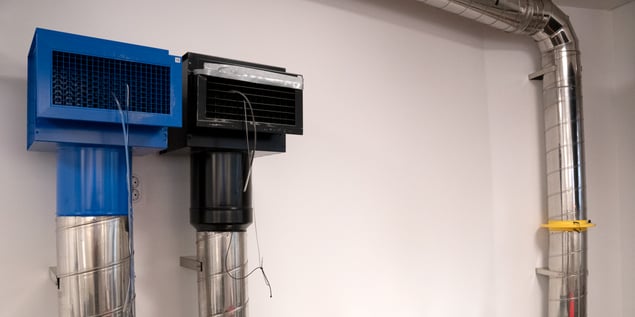
This fall, we’re offering full-day courses in ventilation, thermography, and airtightness testing. The courses combine theoretical instruction with hands-on exercises and are led by instructors with extensive experience in their fields. You’ll learn both how to perform the measurements and how to apply the results in practice.
Have you purchased an instrument that includes training? Remember that you need to register for the course session.
Comments